Learning-Related Vision Problems
The College of Optometrists in Vision Development asks that parents and teachers look for the following signs FIRST when a child is struggling academically, behaviorally, or in sports.
If the response to one or more of the following is "yes", the child may have a correctable vision problem.
Performance signs
For more information on symptoms and treatments go to www.covd.org and the page titled
Vision Therapy .
The College of Optometrists in Vision Development asks that parents and teachers look for the following signs FIRST when a child is struggling academically, behaviorally, or in sports.
If the response to one or more of the following is "yes", the child may have a correctable vision problem.
Performance signs
- Avoids “near” work
- Frequent loss of place when reading
- Omits, inserts,or rereads letters/words
- Confuses similar words
- Failure to recognize the same word in the next sentence
- Poor reading comprehension
- Letter or word reversals after first grade
- Difficulty copying from the chalkboard
- Poor handwriting; misaligns numbers
- Book held too close to the eyes
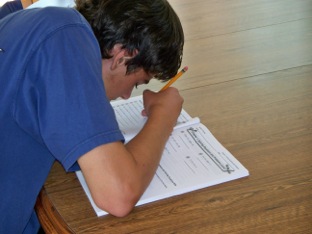
- One eye turning in or out
- Squinting, eye rubbing or excessive blinking
- Blurred or double vision
- Headaches or dizziness after reading
- Head tilting, closing or blocking one eye when reading
- Clumsy
- Smart in everything but school
- Low self-esteem, poor self-image
- Temper flare-ups, aggressiveness
- Short attention span
- Fatigue, frustration, stress
- Irritability
- Lazy
- Dyslexic
- Attention Deficit Disorder
- Slow learner
- Behavioral problem
- Working below potential
For more information on symptoms and treatments go to www.covd.org and the page titled
Vision Therapy .